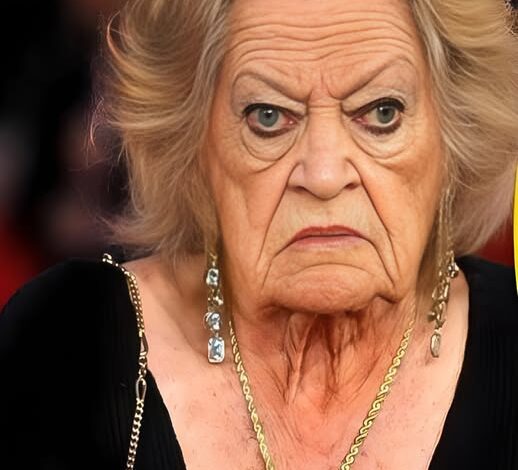
The golden age of international cinema was an era defined by larger than life personalities, breathtaking glamour, and the meteoric rise of screen icons who captured the collective imagination of the entire world. Among the elite constellation of stars who dominated this dazzling epoch, few possessed the raw, mesmerizing power and sophisticated elegance of the legendary Swedish actress Anita Ekberg. With her striking blonde hair, piercing gaze, and a statuesque physique that redefined modern standards of femininity, she enchanted audiences across multiple continents, transforming herself into a global symbol of desire and style. Women around the world meticulously emulated her fashion, her posture, and her hair, desperate to capture a mere fraction of the ethereal grace she effortlessly projected on the silver screen. Yet, behind the glittering facade of red carpets, prestigious film festivals, and international adoration lay a deeply tumultuous life story marked by fierce rebellion, devastating personal betrayals, and a heartbreaking struggle against the inevitable cruelty of time.
Her journey to the pinnacle of global stardom was defined from the very beginning by an intense, unwavering battle for personal autonomy. Born into a large, deeply religious household in Sweden, her early aspirations of entering the creative world of entertainment were met with severe hostility and strict familial resistance. Her conservative father was adamantly opposed to her pursuing a career in modeling or acting, viewing the industry as a dangerous, improper path that conflicted with the family’s rigid traditional values. However, possessing a fierce independence and an unyielding belief in her own destiny, she chose to break away from her family’s expectations. After winning the Miss Sweden title in the early 1950s, she used her newfound momentum to launch herself onto the international stage, ultimately relocating to Italy, a country that would quickly become the artistic backdrop for her greatest professional triumphs.
Upon her arrival in Rome, the actress’s natural charisma and jaw-dropping appearance immediately ignited the Italian film industry. She possessed an undeniable, magnetic screen presence that caught the attention of visionary directors, most notably the legendary filmmaker Federico Fellini. It was her iconic, breathtaking performance in the 1960 cinematic masterpiece La Dolce Vita that permanently cemented her status as an immortal goddess of the screen. The legendary scene of her wading through the Trevi Fountain in a black velvet gown remains one of the most famous, visually stunning moments in the entire history of world cinema. This single role propelled her into the stratosphere of Hollywood and European elite, allowing her to share the screen with the greatest leading men of her generation, while establishing her as a universal blueprint for elegance, sophistication, and pure femininity.
However, the intoxicating heights of global fame came attached to a devastating, dark undercurrent of personal and professional isolation. As the initial euphoria of her cinematic triumphs began to fade, the harsh realities of a volatile personal life started to erode her career. She endured a series of highly publicized, emotionally exhausting relationship failures, including two painful, high-profile divorces that were dissected relentlessly by the international tabloid press. The constant emotional turmoil, combined with the immense pressure of maintaining her pristine public image, began to take a noticeable toll on her creative energy. The very industry that had once worshipped her as an irreplaceable deity began to shift its focus, and the legendary allure that had captivated millions started to gradually diminish under the heavy weight of personal sorrow.
The rapidly evolving landscape of the entertainment industry introduced a brutal new challenge as a fresh wave of younger, exceptionally talented actresses began to emerge on the scene. Hollywood and the European studio systems, notorious for their fickle and ageist treatment of aging women, quickly began to favor these new faces, forcing the veteran star to fight aggressively just to preserve her hard-earned position in the business. In a desperate, heartbreaking attempt to reclaim her fading status and maintain financial stability, she began accepting nearly every single acting offer that came her way, including low-budget productions, minor television roles, and artistic projects that were vastly beneath her immense capabilities. This frantic struggle to stay relevant only exacerbated her exhaustion, deeply wounding her professional pride.
Compounding her professional decline was a series of severe, compounding health crises that drastically compromised her physical well-being. Serious medical issues limited her mobility and altered her once-celebrated physique, plunging her into a state of profound physical vulnerability. For a woman whose entire identity, career, and global reputation were fundamentally anchored to her matchless physical beauty, the gradual loss of her youthful appearance inflicted a devastating psychological toll. The stark contrast between the vibrant, fountain-wading goddess of her youth and the fragile, ailing woman of her later years was a source of immense internal agony. This tragic physical decline deeply saddened her remaining loyal fans and contemporaries, who watched in collective sorrow as the magnificent features that had once defined an entire era of glamour slowly faded into memory.
The final chapters of her life were spent in a state of quiet, dignified isolation in Italy, the country that had adopted her as a queen during the peak of her creative powers. When she finally passed away in January of 2015 at the age of eighty-three, the global film community united to mourn the loss of a true pioneer of international celebrity culture. Though her later years were defined by immense physical hardship and professional displacement, her true legacy remains entirely untouched by the passage of time. Anita Ekberg’s life stands as a powerful, cautionary epic about the fleeting nature of physical beauty and the intense pressures of global stardom, but above all, it is a testament to the enduring tenacity of a woman who dared to defy her family, conquer the world, and etch her name permanently into the fabric of film history.