Lisa Maxwell’s daughter Beau Jessup dies unexpectedly at 27


Beau Jessup, the daughter of British actress and television personality Lisa Maxwell, has died at the age of 27.

Beau Jessup, the daughter of British actress and television personality Lisa Maxwell, has died at the age of 27.

The news was announced by Columbia Journalism School in New York, where Beau was pursuing a master’s degree in journalism.

Expected to graduate in 2027

In a statement shared on the school’s website on Monday, November 9, the institution paid tribute to the young student and offered its condolences to her loved ones.

“Columbia Journalism School mourns the loss of Beau Jessup, a student in our M.S. program,” the statement read.

“We extend our deepest condolences to her family, friends, classmates, and all who knew and loved her. The J-School is working with Beau’s family to offer support and assistance during this difficult time.”

No details surrounding Beau’s death have been made public.

Beau had been expected to graduate in May 2027, with her studies at Columbia representing an important step toward the career she hoped to build in journalism.

Growing up as daughter of a TV actress

Alongside its announcement, the school shared an interview Beau had given to Columbia News in October. With her family’s permission, the university decided to publish the conversation in her memory, offering a glimpse into the person she was, her ambitions and the experiences she had been enjoying in New York.

In the interview, Beau spoke thoughtfully about why she had chosen journalism as a career.

Growing up as the daughter of a television actress had given her an early understanding of how differently a person’s real life could be portrayed in the media.

”As the daughter of a television actress, I grew up with an unusual awareness of the distance between people’s lives and the stories told about them.”
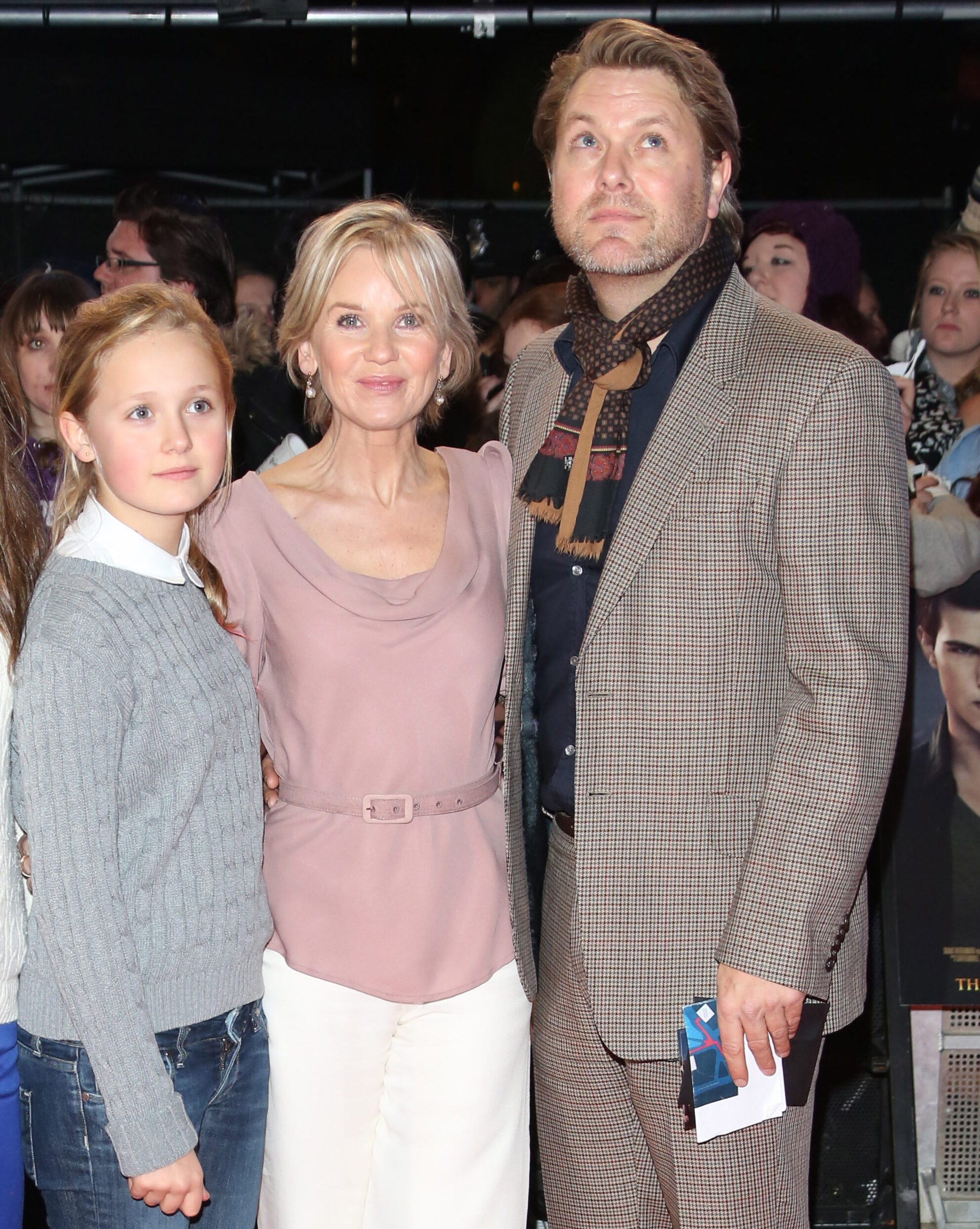
Shutterstock

She continued: ”I saw how journalism could illuminate someone’s experiences, but also how those experiences could be distorted, simplified, or transformed into a public narrative over which the subject had very little control. I was curious, from quite a young age, about who gets to tell people’s stories.”

It was a perspective that clearly shaped the kind of journalist Beau hoped to become. She said she wanted to report on people and culture, explore social questions and continue writing for theater alongside her journalism work.

Beau had already accomplished a great deal academically. Before joining Columbia, she earned a Master’s in Writing for Performance from the University of Cambridge and wrote her first play, The Sandbag.

She described the play as something that “interrogates how family, memory, the body, and inherited narratives shape the stories we tell about ourselves.”

Who is Lisa Maxwell?

Born in October 1999, Beau was the daughter of Lisa Maxwell, 62, and Paul Jessup.

Beau Jessup, the daughter of British actress and television personality Lisa Maxwell, has died at the age of 27.

The news was announced by Columbia Journalism School in New York, where Beau was pursuing a master’s degree in journalism.

Expected to graduate in 2027

In a statement shared on the school’s website on Monday, November 9, the institution paid tribute to the young student and offered its condolences to her loved ones.

“Columbia Journalism School mourns the loss of Beau Jessup, a student in our M.S. program,” the statement read.

“We extend our deepest condolences to her family, friends, classmates, and all who knew and loved her. The J-School is working with Beau’s family to offer support and assistance during this difficult time.”

No details surrounding Beau’s death have been made public.

Beau had been expected to graduate in May 2027, with her studies at Columbia representing an important step toward the career she hoped to build in journalism.

Growing up as daughter of a TV actress

Alongside its announcement, the school shared an interview Beau had given to Columbia News in October. With her family’s permission, the university decided to publish the conversation in her memory, offering a glimpse into the person she was, her ambitions and the experiences she had been enjoying in New York.

In the interview, Beau spoke thoughtfully about why she had chosen journalism as a career.

Growing up as the daughter of a television actress had given her an early understanding of how differently a person’s real life could be portrayed in the media.

”As the daughter of a television actress, I grew up with an unusual awareness of the distance between people’s lives and the stories told about them.”

Shutterstock

She continued: ”I saw how journalism could illuminate someone’s experiences, but also how those experiences could be distorted, simplified, or transformed into a public narrative over which the subject had very little control. I was curious, from quite a young age, about who gets to tell people’s stories.”

It was a perspective that clearly shaped the kind of journalist Beau hoped to become. She said she wanted to report on people and culture, explore social questions and continue writing for theater alongside her journalism work.

Beau had already accomplished a great deal academically. Before joining Columbia, she earned a Master’s in Writing for Performance from the University of Cambridge and wrote her first play, The Sandbag.

She described the play as something that “interrogates how family, memory, the body, and inherited narratives shape the stories we tell about ourselves.”

Who is Lisa Maxwell?

Born in October 1999, Beau was the daughter of Lisa Maxwell, 62, and Paul Jessup.

Lisa is a familiar face to British television audiences. She began her stage career at just 14 and first rose to fame as a children’s television presenter on ITV’s Splash.

However, she is best known for her role in the long-running British police drama The Bill and as a panelist on the popular daytime talk show Loose Women. Away from her career in front of the camera, one of the most important roles in her life was being Beau’s mother.

In a 2008 interview with People, Lisa spoke about watching her daughter grow up and the special bond they shared.
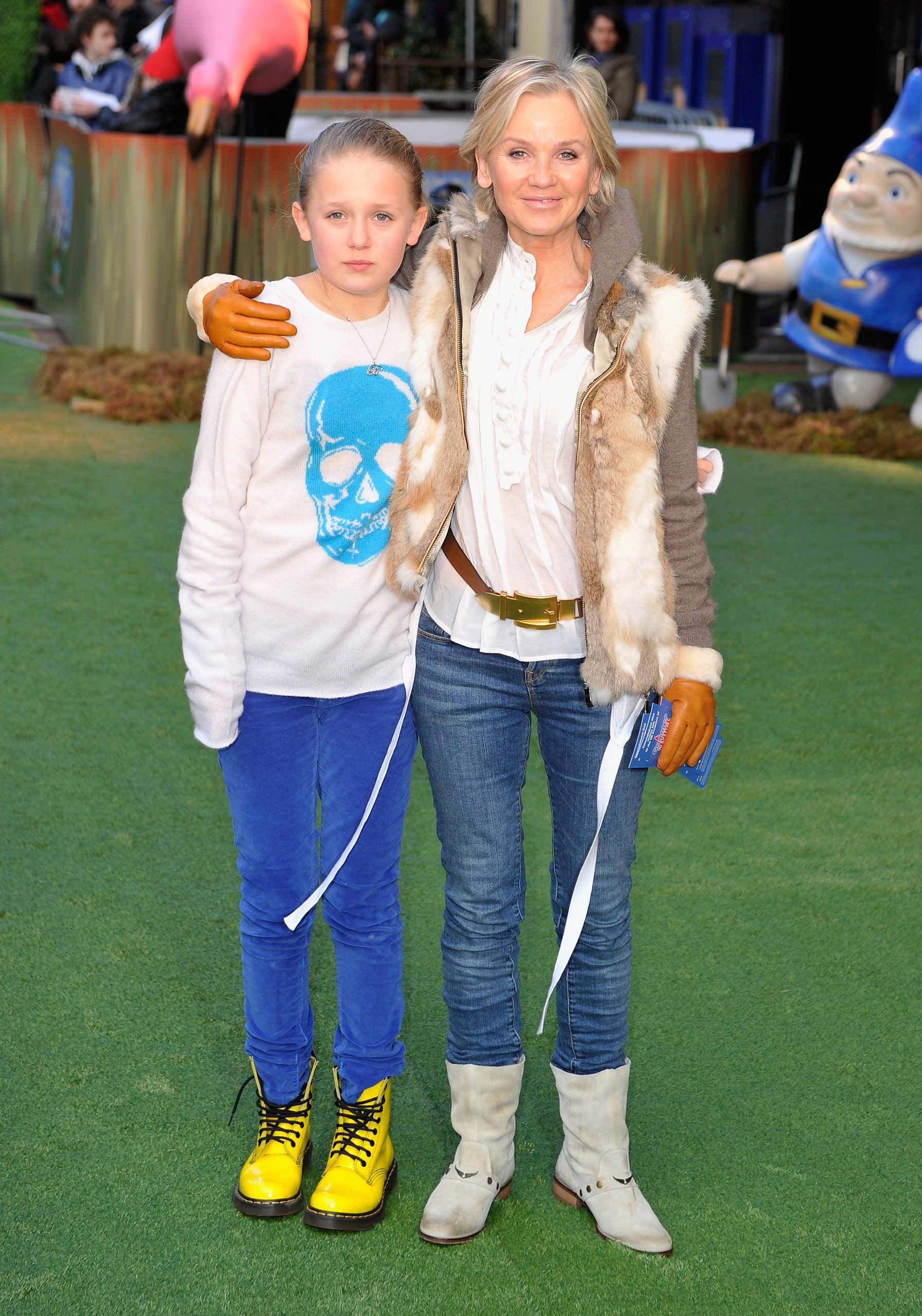
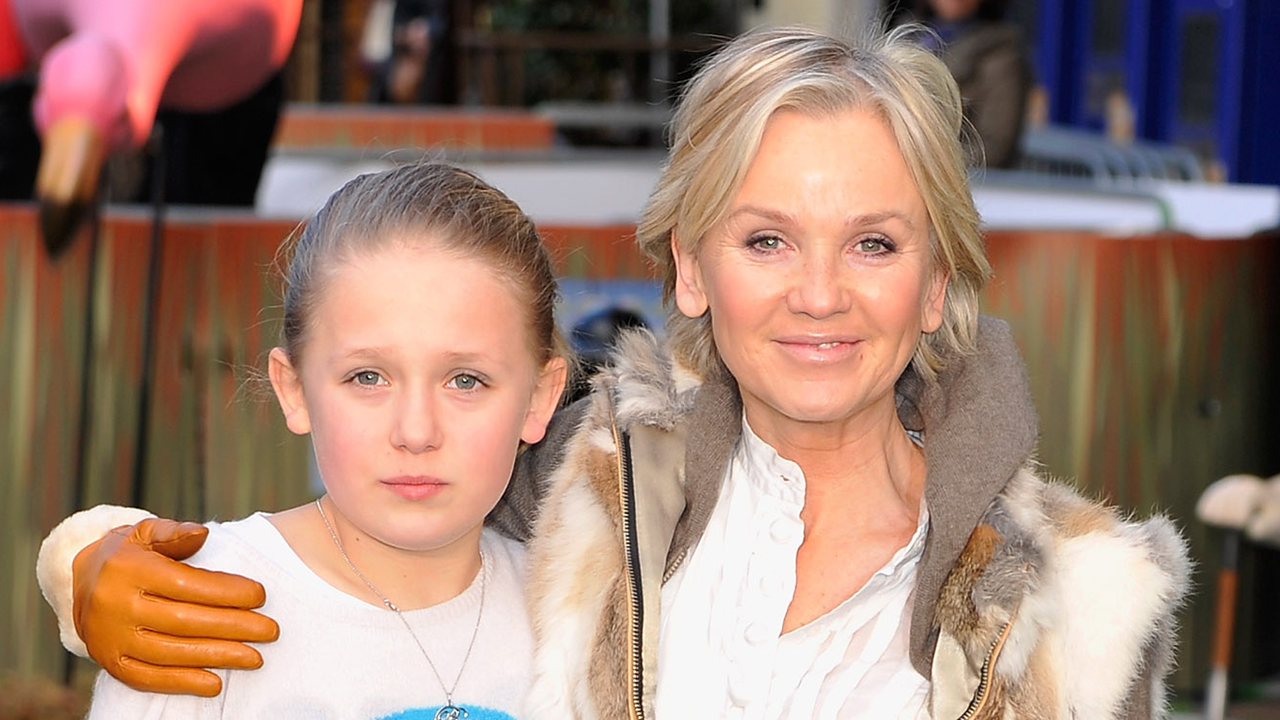
Lisa Maxwell and daughter Beau attend the UK Film Premiere of ‘Gnomeo And Juliet’ at the Odeon Leicester Square on January 30, 2011 in London, England. (Photo by Gareth Cattermole/Getty Images)

“As she’s growing up, she’s become more of a little mate to me,” she said. “We have so much fun together, and I’m constantly amazed by all the new things she’s learning to do.”

She also reflected on just how much Beau had changed since she was born.

“When I think back to how tiny and helpless Beau was when she was born, and compare it to the funny, clever little girl she is now, it’s just unbelievable,”

Maxwell continued. “I’m so amazed that Paul and I created this little human being who’s so brilliant. I love the way Beau’s growing into her own personality.”

Now, as tributes emerge following the heartbreaking news, the interview shared by Columbia offers a chance to remember Beau not only as the daughter of a familiar television star, but as a talented young woman with her own voice, ambitions and stories she was just beginning to tell.

My Sister Asked If I Deserved His Money—My Answer Finally Set Me Free


Just Four Months After My Sister Married My Wealthy Ex-Husband, He Died at 43—But When the Attorney Read His Final Letter, My Sister’s Smile Disappeared…

Just four months after my sister married my wealthy ex-husband, he suddenly died at only 43, leaving behind a fortune everyone assumed would belong to her.

At the will reading, my sister confidently took the seat beside the attorney and said, “Let’s get this over with. I have some things to do.”

She looked completely certain that the estate was already hers.

Then the attorney opened a sealed letter from Daniel and began reading:

“To my former wife—the one person who loved me before I had money…”

My sister’s smile faded.

My name is Claire. I was married to Daniel for nine years.

When we first met, he wasn’t wealthy. He was a hardworking accountant renting a small apartment, driving an old car, and wearing the same two suits to work every week.

I loved him anyway.

We built our life together slowly. We celebrated promotions with inexpensive dinners, spent weekends fixing things around our little house, and dreamed about the future.

When Daniel started his own investment company, I supported him through every sleepless night and every frightening financial decision.

There were years when we barely had enough money to pay our bills.

I never complained.

I believed we were building something together.

Then, almost overnight, everything changed.

His company became successful. Investors wanted meetings. Business magazines started mentioning his name. Our little house was replaced with a beautiful estate, and our ordinary vacations became trips to places I had only seen in photographs.

But Daniel changed, too.

He became distant. His phone never stopped ringing, and business dinners became more important than our anniversary.

Eventually, he admitted that he had fallen in love with someone else.

That someone was my younger sister, Vanessa.

I remember sitting across from him at our kitchen table when he told me.

I didn’t scream.

I didn’t throw anything.

I simply asked, “Is it Vanessa?”

He looked down.

That was my answer.

Our divorce was finalized six months later.

I walked away with the house we had once shared, a reasonable settlement, and nine years of memories I wasn’t sure what to do with.

Vanessa didn’t even pretend to feel guilty.

She called me one evening and said, “You should understand that people grow apart. Daniel and I are happy together.”

I asked her one question.

“Was he already seeing you while we were married?”

She went silent.

Then she hung up.

I stopped speaking to her after that.

Four months before Daniel died, Vanessa married him in an extravagant ceremony at his estate.

I saw photographs online.

She wore a diamond necklace and a designer wedding dress. Daniel looked thinner than I remembered, but he was smiling.

People congratulated them.

Some even said Vanessa had finally found the life she deserved.

I said nothing.

Then, one Tuesday morning, I received a phone call.

Daniel had died suddenly at 43.

The news said he had suffered a fatal cardiac event.

I sat in my living room holding the phone, unable to speak.

Whatever had happened between us, I had once loved that man deeply.

And hearing that he was gone brought back memories I thought I had buried.

I didn’t attend the funeral.

Vanessa wouldn’t have wanted me there, and I didn’t want to create a scene.

Three weeks later, however, I received a letter from Daniel’s attorney.

He requested my presence at the formal reading of the will.

I almost ignored it.

Why would Daniel’s former wife need to attend?

But the attorney called personally.

“Mr. Daniel specifically requested that you be present, Claire. There is something he wanted you to hear.”

So I went.

When I entered the conference room, Vanessa was already there.

She wore a black designer dress, expensive sunglasses, and a diamond ring that seemed to catch the light every time she moved her hand.

She looked at me and smiled.

“I’m surprised you came.”

“I was invited,” I replied.

She laughed quietly.

“Of course. Well, let’s not make this uncomfortable. Daniel and I were married. Everything belongs to me now.”

Then she took the seat beside the attorney.

The attorney, Mr. Harrison, opened a thick folder.

“Before I begin reading the will, there is a personal letter Mr. Daniel instructed me to read aloud.”

Vanessa sighed.

“Can we skip the emotional part? I have some things to do.”

Mr. Harrison didn’t respond.

He removed a sealed envelope from the folder.

On the front, Daniel had written my name.

Claire.

My hands began to shake.

The attorney opened the envelope and started reading.

“To my former wife—the one person who loved me before I had money.

“If you’re hearing this, then I am no longer here to explain what I should have told you years ago.

“Claire, I owe you an apology.

“You stood beside me when I had nothing. You believed in me when even I doubted myself. You sacrificed your own dreams so I could build mine.

“And when I finally had everything, I became the very person I once promised I would never be.

“I confused attention with love. I confused wealth with happiness. And I betrayed the woman who had never asked me for anything except honesty.

“I know I cannot undo what I did.

“But there is something you deserve to know.

“Vanessa did not marry me because she loved me.”

Vanessa suddenly shifted in her chair.

“What is that supposed to mean?”

Mr. Harrison continued.

“Two years ago, I discovered that Vanessa had been contacting me long before our relationship began. She knew about my investments, my properties, and my financial position.

“At first, I ignored the warning signs. I wanted to believe that someone could love me for who I was.

“But after our engagement, I discovered documents showing that she had been secretly asking questions about my estate, my insurance policies, and the ownership of my company.

“I confronted her.

“She cried. She apologized. She promised that she loved me.

“I wanted to believe her.

“I was wrong.”

Vanessa stood up.

“This is ridiculous! Daniel was sick! He wasn’t thinking clearly!”

The attorney calmly raised his hand.

“Please sit down, Mrs. Daniel. This letter was signed, witnessed, and authenticated before his death.”

She slowly sat back down.

The attorney continued.

“Claire, I eventually learned that my greatest mistake wasn’t losing my money. It was losing the ability to recognize the people who genuinely cared about me.

“I cannot ask you to forgive me.

“But I can make one final decision that reflects what I should have done when I was still alive.”

Mr. Harrison turned to the next page.

And then he read the sentence that changed everything.

“To Vanessa, I leave the personal gifts specifically listed in this will, along with the property she currently occupies, subject to the conditions established in our prenuptial agreement.

“To Claire, I leave the majority of my remaining personal estate, including the investment portfolio, the family foundation, and the proceeds from the sale of my private holdings.”

Nobody moved.

Vanessa stared at the attorney.

“What?”

Mr. Harrison adjusted his glasses.

“The estimated value of the inheritance designated to Claire is approximately $18.6 million.”

My mouth fell open.

Eighteen million dollars.

I had never expected anything from Daniel.

Not a penny.

Vanessa suddenly laughed, but it sounded more like a cry.

“You cannot be serious! I’m his wife! I married him four months ago!”

“The will was prepared before your marriage,” the attorney replied. “And the prenuptial agreement you signed clearly addresses this situation.”

Vanessa turned toward me.

“You knew about this, didn’t you?”

I shook my head.

“I didn’t even know he was leaving me anything.”

She slammed her hand against the table.

“This is my money! I was his wife!”

Mr. Harrison opened another document.

“There is one additional provision.”

Vanessa froze.

“Daniel established a financial review clause concerning certain transfers made before his death. If those transactions were found to involve unauthorized activity, the affected assets would be handled according to the instructions in his trust.”

Vanessa’s face went pale.

The attorney placed several printed bank records on the table.

Apparently, Daniel had discovered that substantial sums had been transferred from one of his business accounts into a private company registered under Vanessa’s name.

The transfers were now under investigation.

Vanessa began shaking her head.

“This is a misunderstanding.”

Mr. Harrison closed the folder.

“That is something you will need to discuss with the investigators.”

She looked at me with tears in her eyes.

“Claire, please. You have to tell him—”

Then she stopped.

For the first time in years, she seemed to realize that I wasn’t the person she could manipulate.

I stood up.

“Vanessa, I didn’t know Daniel was leaving me anything. I didn’t ask for it. And I certainly didn’t make you transfer money from his accounts.”

She began crying.

I walked toward the door.

But before I left, Mr. Harrison called my name.

“Claire, there is something else.”

He handed me a small wooden box.

“Daniel wanted you to have this personally.”

Inside was a silver necklace.

I recognized it immediately.

It was the necklace Daniel had bought for me during our first Christmas together, back when we could barely afford presents.

I had lost it during our final year of marriage.

I turned it over.

There was a tiny engraving on the back.

Thank you for loving me when I had nothing.

Beneath the necklace was one final handwritten note.

“Claire, I know money cannot repair a broken heart. I don’t expect this inheritance to erase what happened between us.

“I only hope you use the life I helped build to create the happiness I failed to give you.

“Please don’t spend another day wondering whether you were enough.

“You always were.

“Daniel.”

I couldn’t stop the tears.

Not because of the money.

But because the man who had once known me better than anyone had finally acknowledged how deeply he had hurt me.

Six months later, the investigation into Vanessa’s financial dealings was still ongoing, and the attorneys were handling the estate according to Daniel’s legal instructions.

I established a foundation to help women rebuild their lives after divorce, financial hardship, and emotional abuse.

I bought a small house near the ocean.

Nothing extravagant.

Just a peaceful place with a garden, a reading room, and enough sunlight to make every morning feel new.

I also started traveling again, something I had given up during my marriage because Daniel’s career always came first.

Vanessa tried contacting me several times.

I never answered.

One afternoon, I received a final message from an unknown number.

“Do you really think you deserve everything he left you?”

I stared at the screen for a long time.

Then I typed:

“I never wanted his money. I wanted the man I married to remember the woman who stood beside him before he became wealthy. He finally understood that. I hope someday you understand it, too.”

I deleted the conversation.

And for the first time in years, I felt completely free.

I eventually learned that the greatest inheritance Daniel left me wasn’t the $18.6 million.

It was the chance to start over without needing anyone’s permission.

I had spent years believing that my sister had taken the life I was supposed to have.

But she hadn’t.

She had taken a man who had already forgotten what truly mattered.

And I had finally gotten my life back.

THE END.

Don’t look if you can’t handle lt (24 Pics)


My Mother Wanted Grandma’s Inheritance for Ethan—But Grandma Had Already Made Her Wishes Clear


My Mother Abandoned Me for Her “Perfect Son.” Thirty-Two Years Later, She Knocked on My Door After Grandma’s Funeral—and Asked for Something I Never Expected…

I was ten years old when my mother remarried, had her “perfect son,” and decided she no longer needed me.

I still remember the day she told me I would be living with Grandma.

She stood in the kitchen, holding my little brother, Ethan, against her shoulder.

“Your grandmother has more time for you,” she said casually. “It’ll be better this way.”

I stared at her.

“But I can stay here. I can help with the baby.”

She sighed as if I were making things unnecessarily difficult.

“Don’t make this harder than it needs to be.”

That was the moment I understood.

My mother had chosen a new family, and I wasn’t part of the picture anymore.

Thankfully, Grandma never hesitated.

When I arrived at her little house with two suitcases and a school backpack, she wrapped her arms around me.

“You’re home now, sweetheart.”

I cried into her shoulder.

She gently rubbed my back and whispered something I would carry for the rest of my life.

“Love doesn’t pick favorites. And you’ll never have to compete for mine.”

At eleven, Grandma took me to a family dinner at my mother’s house.

I had spent the entire week making a handmade card for her. I used colored pencils, carefully decorated the edges with little flowers, and wrote a message inside.

I wanted her to know I still loved her.

When we arrived, my mother barely acknowledged me.

She spent the evening fussing over Ethan.

“Look at my handsome boy!”

“Come sit beside Mommy.”

“Do you want another piece of cake, sweetheart?”

Every few minutes, she kissed his forehead.

I sat quietly at the end of the table.

Eventually, I gathered enough courage to approach her.

“Mom, I made something for you.”

She barely glanced at the card.

Then, without even opening it, she handed it to Ethan.

“Here, sweetheart. Look what you have.”

I froze.

“Mom… I got that for you.”

She waved her hand dismissively.

“Oh, what would I need it for? I have everything I want.”

The room became strangely quiet.

I looked at Grandma.

She had heard every word.

She slowly put down her fork, but before she could say anything, I picked up my empty plate and walked toward the kitchen.

I didn’t cry until we got home.

That night, Grandma sat beside my bed.

“You don’t have to keep giving your heart to someone who keeps dropping it,” she said.

I nodded.

And that was the last time I tried to earn my mother’s love.

Years passed.

My mother moved away with her husband and Ethan. At first, she occasionally sent birthday cards. Eventually, even those stopped.

I graduated high school.

I went to college.

I found a job, built a life, and learned to stop checking my phone every Mother’s Day, hoping she might remember me.

Grandma was there through everything.

She attended my graduation, even though she had to sit in the back because her knees hurt.

She brought homemade cookies to my first apartment.

When I got my first promotion, she celebrated as if I’d won the lottery.

Whenever I doubted myself, she reminded me that I was worth loving without having to prove anything.

She wasn’t my biological mother.

But she was the woman who raised me, protected me, and never once made me feel unwanted.

At thirty-two, I lost her.

It happened quickly.

One morning, she complained about feeling tired. A few days later, she was in the hospital.

I held her hand and told her how much I loved her.

She smiled weakly.

“Promise me something,” she whispered.

“Anything, Grandma.”

“Never let anyone make you feel small just because they couldn’t see your worth.”

I kissed her forehead.

“I promise.”

Those were the last words she ever said to me.

The funeral was small.

Friends, neighbors, a few distant relatives, and the people who had been part of her life.

I stood beside her grave, unable to accept that the one person who had always made the world feel safe was gone.

I returned home exhausted.

Three days later, someone knocked on my door.

I wasn’t expecting anyone.

When I opened it, I nearly forgot how to breathe.

It was my mother.

Thirty-two years had passed since she had sent me to Grandma’s house.

Her hair was now streaked with gray. Her face looked older, and she held a leather handbag tightly against her chest.

For a moment, neither of us spoke.

Then she gave me a small, uncomfortable smile.

“Hello.”

I stepped back slightly.

“What are you doing here?”

She looked past me into the house.

“I heard about your grandmother. I’m sorry.”

I nodded.

“Thank you.”

She shifted her handbag.

“I was hoping we could talk.”

I didn’t invite her inside immediately.

She cleared her throat.

“There’s something I need to discuss with you.”

I already felt uncomfortable.

“What is it?”

She finally looked directly at me.

“Your grandmother left something behind. Something important. I believe it should belong to the family.”

I stared at her.

“Grandma’s belongings are being handled by her lawyer.”

“Yes, I know. That’s actually why I’m here.”

She took a breath.

“Your grandmother had a property, didn’t she? And some savings?”

I felt my stomach tighten.

I had expected a condolence visit.

Perhaps an awkward attempt to reconnect.

I hadn’t expected her first real conversation with me in more than twenty years to involve an inheritance.

“Why are you asking?”

She looked uncomfortable.

“Your brother is going through a difficult time. Ethan has made some financial mistakes, and he needs help. I thought perhaps we could settle this as a family.”

I almost laughed.

My brother.

The child who had received all the affection, attention, and opportunities while I was sent away.

Now, after decades of silence, my mother had come looking for me because he needed money.

“I see,” I said quietly.

She seemed encouraged by my calm response.

“Your grandmother always loved you, but she also knew how important family was. I’m sure she wouldn’t want us fighting over money.”

I looked at her for a long moment.

“Did you come to the funeral?”

She hesitated.

“I had some things to take care of.”

“Did you call Grandma while she was in the hospital?”

“I didn’t know she was that sick.”

“Did you visit her during the last ten years?”

My mother looked down.

I continued.

“Did you ever ask whether I was okay? Whether I had enough money for college? Whether I was lonely? Whether I needed anything?”

She opened her mouth, but no answer came.

Then she said something that made my chest ache.

“You know, I was young. I made mistakes.”

I nodded slowly.

“Yes. You did.”

She seemed surprised that I didn’t argue.

Then she added, “But we can’t change the past. We should focus on the future.”

I looked at the woman standing in front of me.

For thirty-two years, I had imagined what I would say if she ever came back.

I had imagined asking why she chose Ethan.

Why she didn’t fight to keep me.

Why a little girl had been so easy to leave behind.

But standing there, I realized something.

I no longer needed her answers to understand my life.

“Mom,” I said quietly, “do you remember the handmade card I gave you when I was eleven?”

She frowned.

“What card?”

I swallowed.

“The one I made for you at Grandma’s house. The one you handed to Ethan and told me you already had everything you wanted.”

Her expression changed slightly.

“I don’t remember that.”

“I do.”

I stepped aside and pointed toward a small table in the living room.

On it sat a framed photograph of Grandma and me at my college graduation.

“That’s the woman who wanted me. That’s the woman who showed up. That’s the woman who loved me when you decided I was inconvenient.”

My mother looked at the photograph.

I continued.

“She didn’t just give me a place to live. She gave me a childhood. She taught me what a mother was supposed to be.”

My mother wiped her eyes.

“I know I wasn’t perfect.”

I shook my head.

“This isn’t about being perfect. It’s about being present.”

For a moment, she looked genuinely ashamed.

Then she asked the question that confirmed why she had come.

“So… will you help Ethan?”

I stared at her.

“No.”

Her eyes widened.

“But he’s your brother!”

“Yes. And he’s an adult. His problems aren’t my responsibility.”

“You can’t just turn your back on family!”

I took a slow breath.

“I learned how to survive without family a long time ago. Grandma made sure I understood that love is something you show, not something you demand when you need help.”

She stood silently.

Then she reached for her handbag.

“Your grandmother wouldn’t have wanted this.”

I looked at her one last time.

“Grandma knew exactly what she wanted. That’s why she made her own decisions.”

My mother left without another word.

I closed the door gently.

And for the first time in my life, I didn’t feel like a child waiting for her to come back.

A week later, I met with Grandma’s attorney.

He handed me a sealed envelope with my name written across the front in her familiar handwriting.

Inside was a letter.

My dearest girl,

If you’re reading this, it means I’ve finally gone somewhere I can no longer hold your hand.

I wish I could stay longer. I wish I could see every beautiful thing waiting for you.

But I want you to remember something.

You were never a burden. You were never unwanted. And you were never second best.

I watched you grow from a little girl who cried herself to sleep into a strong woman who learned to stand on her own.

I am proud of you.

I have arranged my affairs according to my wishes. Everything I leave behind is yours to use wisely, protect, or share as you see fit.

Don’t let anyone make you feel guilty for receiving something that was given to you with love.

And please, sweetheart, don’t spend the rest of your life waiting for an apology that may never come.

You already have the love you spent your childhood searching for.

All my love,

Grandma.

I pressed the letter against my chest and cried.

Not because of the inheritance.

Not because my mother had finally discovered I existed.

I cried because even after death, Grandma had found a way to remind me that I was loved.

Several months later, I used part of what she left me to establish a small scholarship fund for children who had lost a parent or been abandoned by their families.

I named it after her.

Every year, I receive letters from students who tell me how much that support means to them.

And every time I read one, I think about the little girl who once sat at the end of a family dinner table, holding a handmade card that nobody wanted.

I wish I could go back and tell her something.

That she would grow up.

That she would become someone she could be proud of.

That one day, she would understand she had never been the mistake.

The mistake was believing she needed her mother’s approval to be worthy of love.

My mother chose her perfect son.

But Grandma chose me.

And that made all the difference.

Because sometimes, the person who gives you life isn’t the person who teaches you what love means.