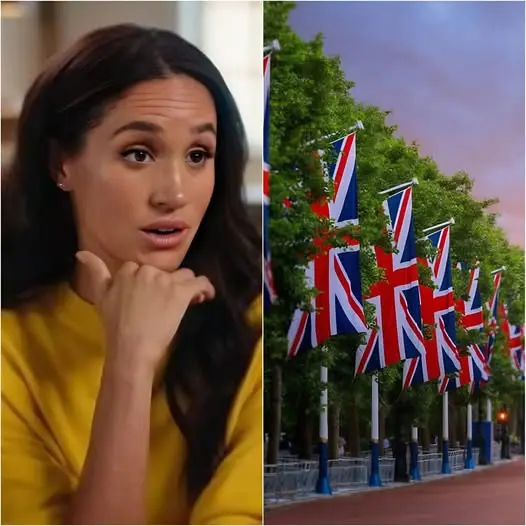
News travels fast in the digital age, but few stories have stirred as much conversation, speculation, and emotional reaction as Meghan Markle’s recent declaration in this fictional account.
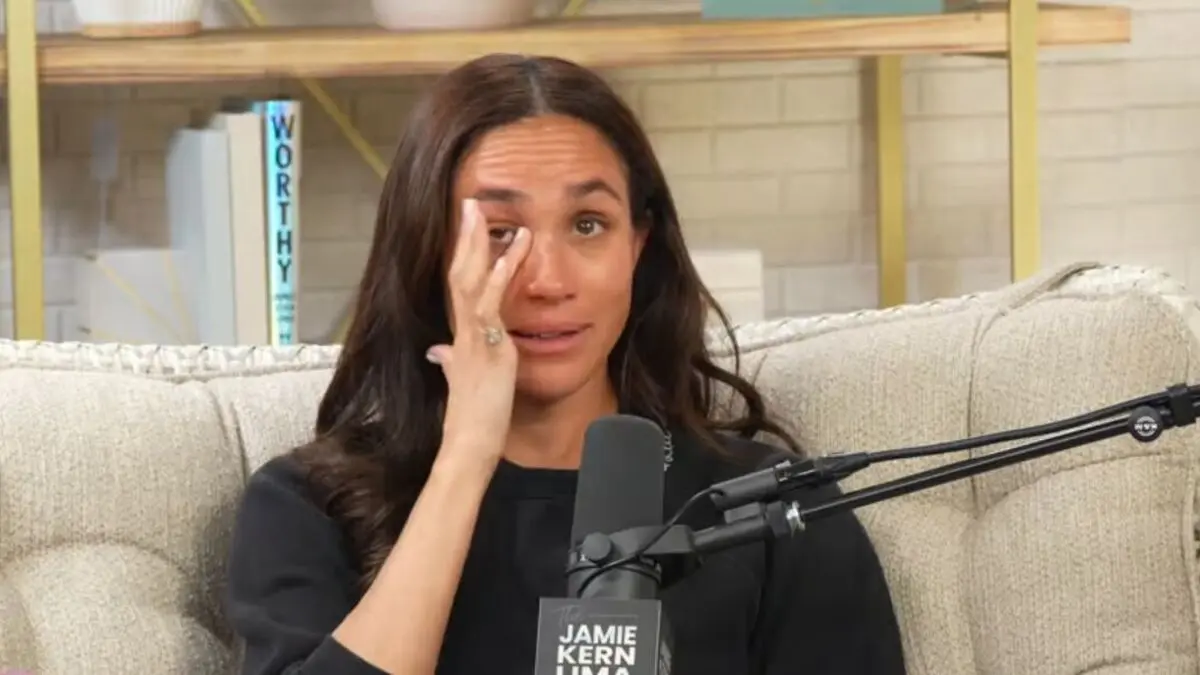
When she reportedly stated, “I will never return to the UK again for a significant personal reason, and I believe it’s the right decision,” the words rippled across social media platforms, circulated through discussion forums, and dominated talk shows within hours.
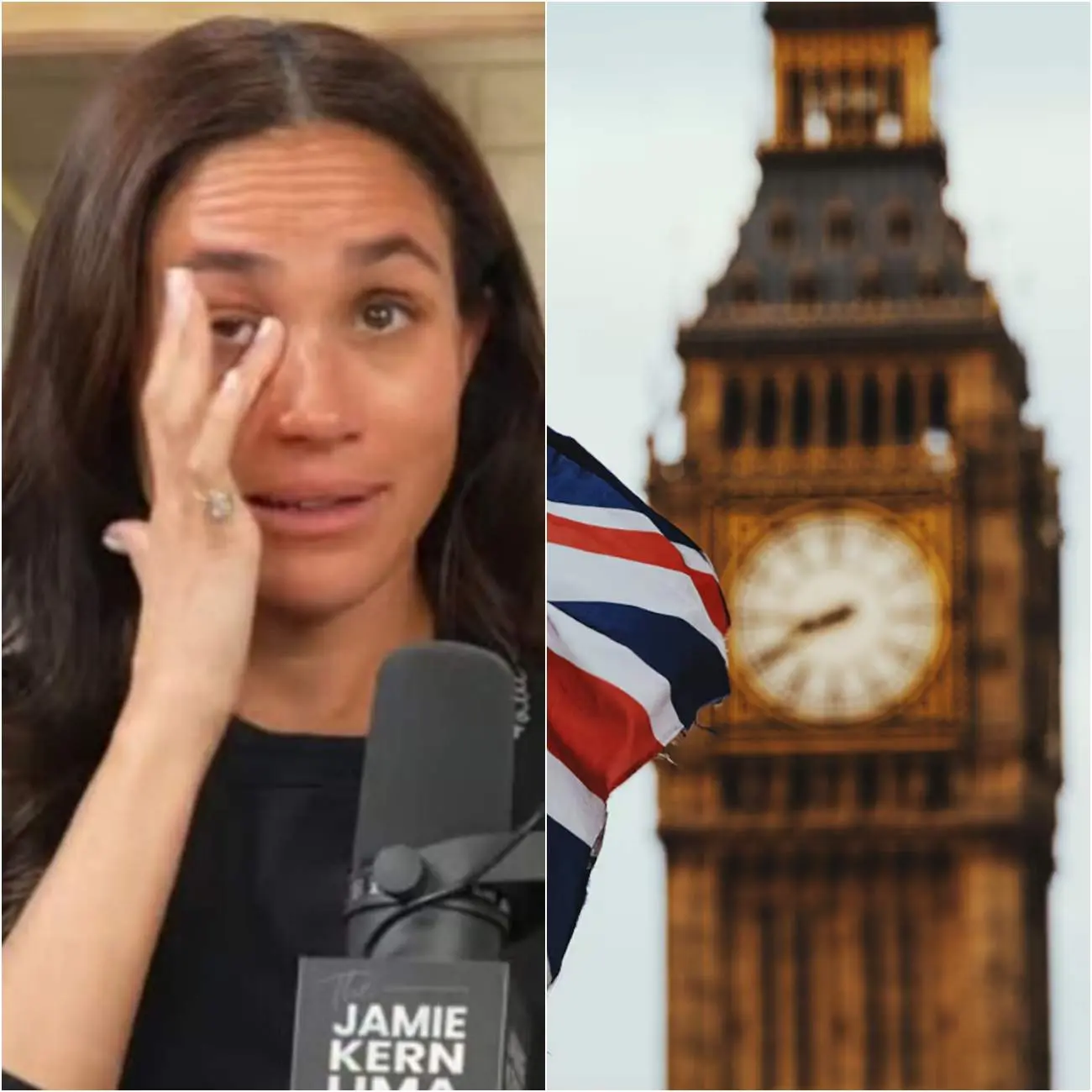
Although she declined an invitation to a major event—one that many believed would mark a symbolic gesture of reconciliation—her refusal and the explanation that followed left many in the British public stunned, puzzled, and even saddened.
In this imagined narrative, the event in question was intended to be a prestigious gathering honoring contributions to charity and humanitarian efforts. Meghan, who has long championed social causes, had been listed among the honorary invitees.
Organizers were optimistic, insisting that the invitation was extended without political undertones and with genuine appreciation for her work. Quietly, many hoped her presence would soften tensions that had hovered over the royal narrative for years.
At first, the explanation was deliberately vague, citing “personal reasons.” Yet the growing curiosity surrounding her decision pushed organizers to request further clarification. To their surprise, Meghan agreed to explain—not through a speech or public statement, but in a private written message intended solely for the event committee.
However, as often happens in the digital era, parts of that message leaked, transforming private sentiment into public controversy.
In the fictional message, Meghan described a sense of emotional and psychological closure that she felt she had reached after years of intense public scrutiny, media battles, and personal upheaval.
She expressed that returning to the UK now felt like reopening a chapter she had spent years trying to heal from. “Some places,” she wrote, “do not simply hold memories—they hold wounds.
To revisit them before you have truly healed is to risk breaking open what has finally begun to mend.”
Her words, though delicately phrased, carried a weight that resonated differently depending on who interpreted them. Supporters viewed the statement as honest, personal, and rooted in self-preservation. Critics, however, read it as a rejection—of the event, of reconciliation, and even of the British public as a whole.
For many in the UK, the reaction was one of deep disappointment. Some felt that her refusal symbolized a final and irrevocable separation between Meghan and the country that once welcomed her with admiration.
Others feared that her decision would further strain relations between the Sussexes and the rest of the royal family, perpetuating divisions rather than easing them.
Yet beyond the emotional responses, the narrative invited a broader reflection on what it means to protect one’s peace in a world where personal matters become global spectacles. Meghan’s fictional explanation touched on this subtly.
She emphasized the importance of safeguarding her well-being and that of her family, particularly her children, who she felt deserved a life free from the intense scrutiny that had marked her own experience.
The UK, in her view, represented a stage on which she had been given little control over her own story.
Observers were quick to analyze her words, drawing connections to well-known public challenges she faced during her time in the UK. While much of that discourse relied on speculation and memory rather than direct statements, the resonance was unmistakable.
The imagined article describing Meghan’s words seemed to reopen an emotional archive within British society—one filled with debates about media responsibility, royal expectations, cultural divisions, and the complex relationship between public figures and those who follow their lives so closely.
The disappointment expressed by many in the UK was not simply anger but something more nuanced. For some, it stemmed from the feeling that a door had been closed permanently—a door that they had hoped might one day reopen, even if just a little.
For others, it reflected sadness at what might have been: opportunities for healing, unity, and understanding that now seemed further away than ever.
Meanwhile, reactions outside the UK were mixed. International commentators framed her decision in a variety of ways—some applauding her for setting boundaries, others questioning whether such boundaries would further isolate her family from a part of their heritage.
Supporters pointed out the pressures that come with being a public figure, let alone a royal one, arguing that no one should be expected to return to environments that felt unsafe or emotionally destabilizing. Critics accused her of dramatizing or overstating her grievances.
And in the middle were those who simply saw a woman choosing not to revisit a chapter of life she was ready to leave behind.
What struck many readers of the fictional message was how personal it felt—how unguarded, how vulnerable. Meghan’s words were not framed as a political statement, nor as an attack.
They read more like the unfiltered reflections of someone trying to move forward while respecting the complicated past she carried with her. The sincerity of her explanation, whether fully understood or not, became the focal point of conversation.
Event organizers, in this story, later released a composed statement acknowledging her response and expressing their respect for her decision, though not without noting their disappointment. They emphasized that the invitation had been extended in goodwill and that they had hoped it might symbolize a step toward greater unity.
Behind the scenes, however, those involved admitted privately that the tone of her message left them contemplative. It was a reminder that even public figures’ choices come from profoundly personal origins.
In the weeks that followed, the fictional account of Meghan’s declaration continued to fuel discussions, editorials, and social media debates. Yet, gradually, a quieter understanding began to surface. People started recognizing that, whether famous or not, individuals carry invisible histories that shape their choices. Reflection replaced outrage in many circles.
Conversations shifted from blame to empathy, from shock to an acknowledgment that healing does not follow a public timeline.
Ultimately, Meghan’s fictional decision not to return to the UK became less about the event she declined and more about the conversation it triggered—a conversation about boundaries, identity, mental well-being, and the weight of expectations placed on public figures. Some readers found closure in her honesty; others found frustration.
But everyone, regardless of perspective, was forced to reconsider what lies beneath the surface of decisions that appear simple at first glance.
And in that sense, this fictional story became more than a moment of controversy—it became a mirror reflecting the complexity of modern celebrity, public life, and personal healing.